AI is coming for the kitchen, not slowly or politely, but directly. And this time, it can actually cook.
Companies are looking at systems like the Moley Robotic Kitchen or Robby AI and seeing one clear benefit: cost reduction. A robot doesn’t call in sick, doesn’t need training, and produces the exact same dish every time. So the decision seems obvious: replace the chef.
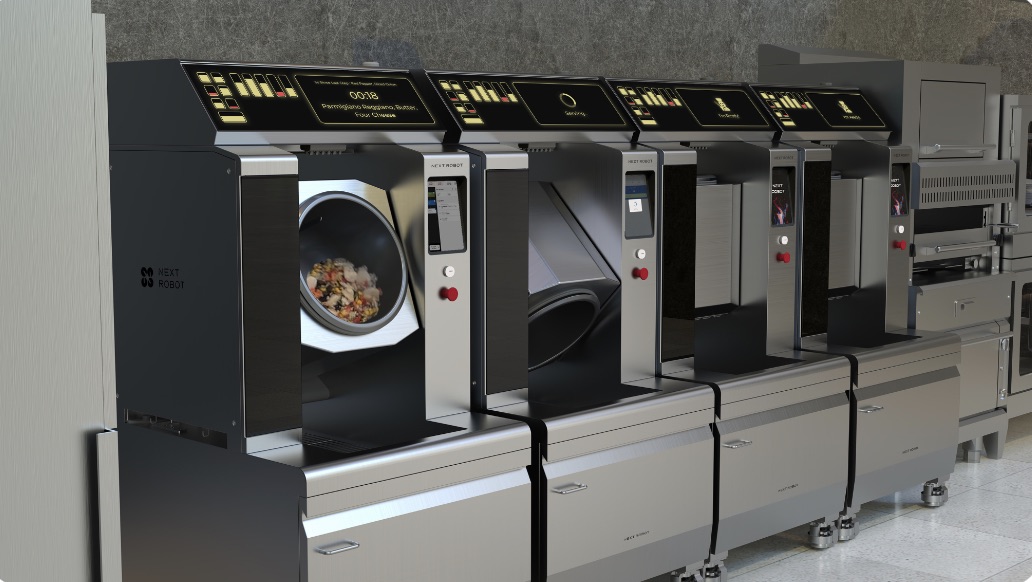
What usually happens next
The kitchen doesn’t disappear, it degrades. The chef becomes a machine operator — refilling ingredients, pressing start, serving whatever the machine produces.
There’s no creativity, no ownership, and no growth. They’re not cooking anymore, they’re maintaining a machine they don’t own.
This is what people are actually afraid of when they talk about AI. It’s not the job they’ll lose, it’s the future.
Overnight, the skills, judgment, and pride that once defined them stop mattering. Even the belief they could one day open their own restaurant goes with it.
So what exactly is left for them?
The Clarity shift
Now imagine the same restaurant. The same machines, the same investment, but a different system.
This time, they use Clarity. The chef isn’t defined by cooking each dish by hand. They’re defined by a single outcome: create the best stir-fry in the area, stay within food cost, and increase repeat orders week after week.
That’s a seam — a clear contract that defines what success looks like.
When that’s clear, the incentives line up. Improving the outcome improves everything else — the food, the business, and the person doing the work.
That’s alignment — when improving the system improves the people inside it.
What changes
The machine handles consistency, and the chef handles results. With execution handled by the machine, what’s left is deciding what improves. The chef sources better ingredients and experiments with flavour, but the real shift is what they pay attention to.
What do customers actually reorder? What gets left on the plate? What brings people back?
The job moves from making food to shaping the experience. They’re not further from the kitchen, they’re closer to the customer than ever.
The role evolves
Before, getting better meant repetition. Cook the same dish again, refine the motion, improve the timing.
Now, getting better means reading what happened and deciding what to change. A dish comes back half-eaten. Another gets reordered three times in one night. So they adjust – balance the sauce differently, change the cut of meat, try brining and velveting to improve texture.
Each change is intentional, and each result feeds the next decision.
The difference
Without Clarity, the job is to operate the machine. With Clarity, it’s to own the outcome.
Why it matters
AI doesn’t replace people. Misaligned incentives use it to strip jobs of meaning and ownership.
What’s missing is clarity. When the outcome is clear, machines take execution, and people own the outcome.
The restaurant doesn’t just become faster, it becomes more alive. Better food, more engaged staff, tighter feedback loops.
So the question isn’t whether people are replaced. It’s whether incentives still make sense once AI is introduced.